


Residential Amenity Space
Ongoing
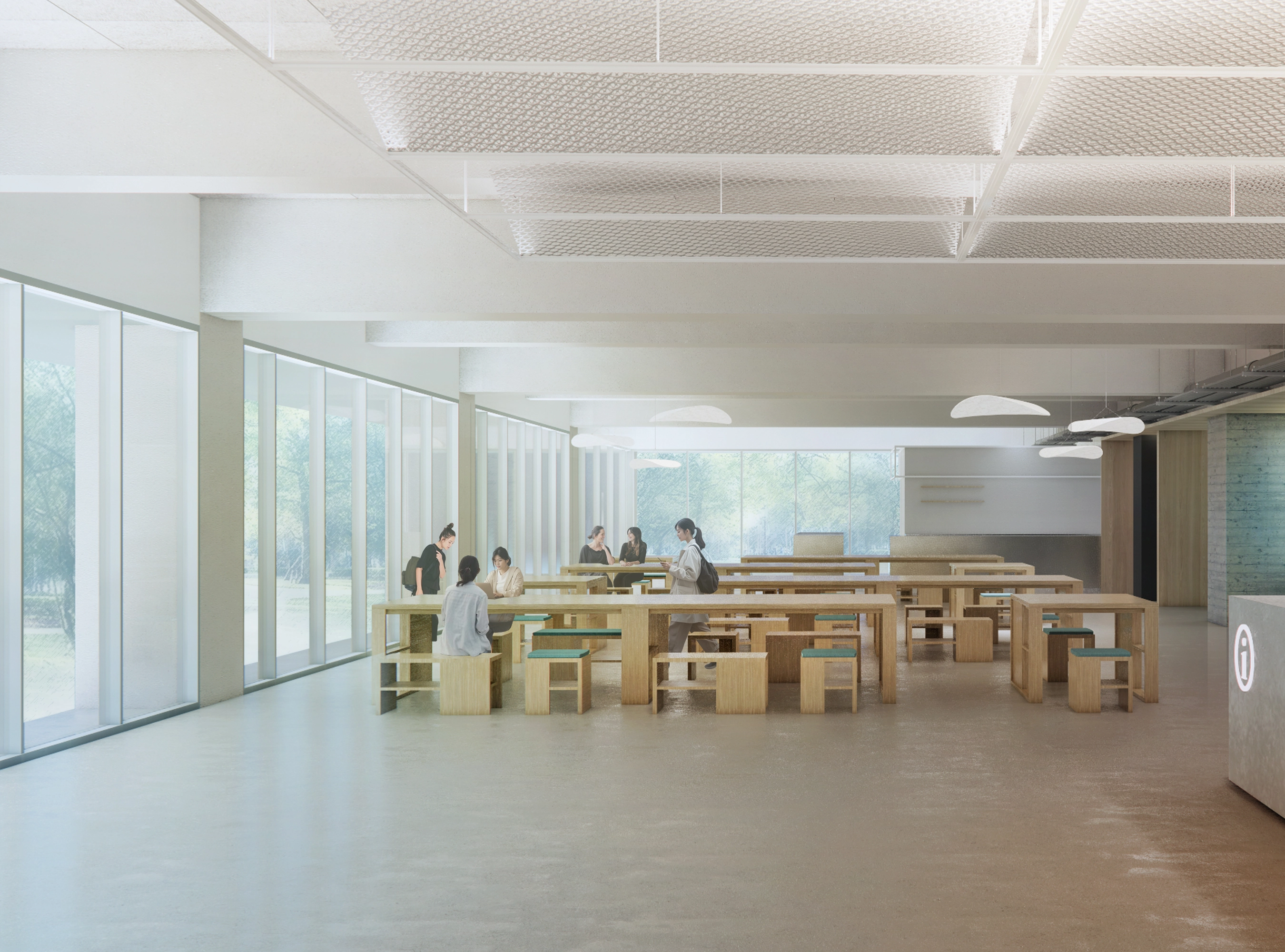
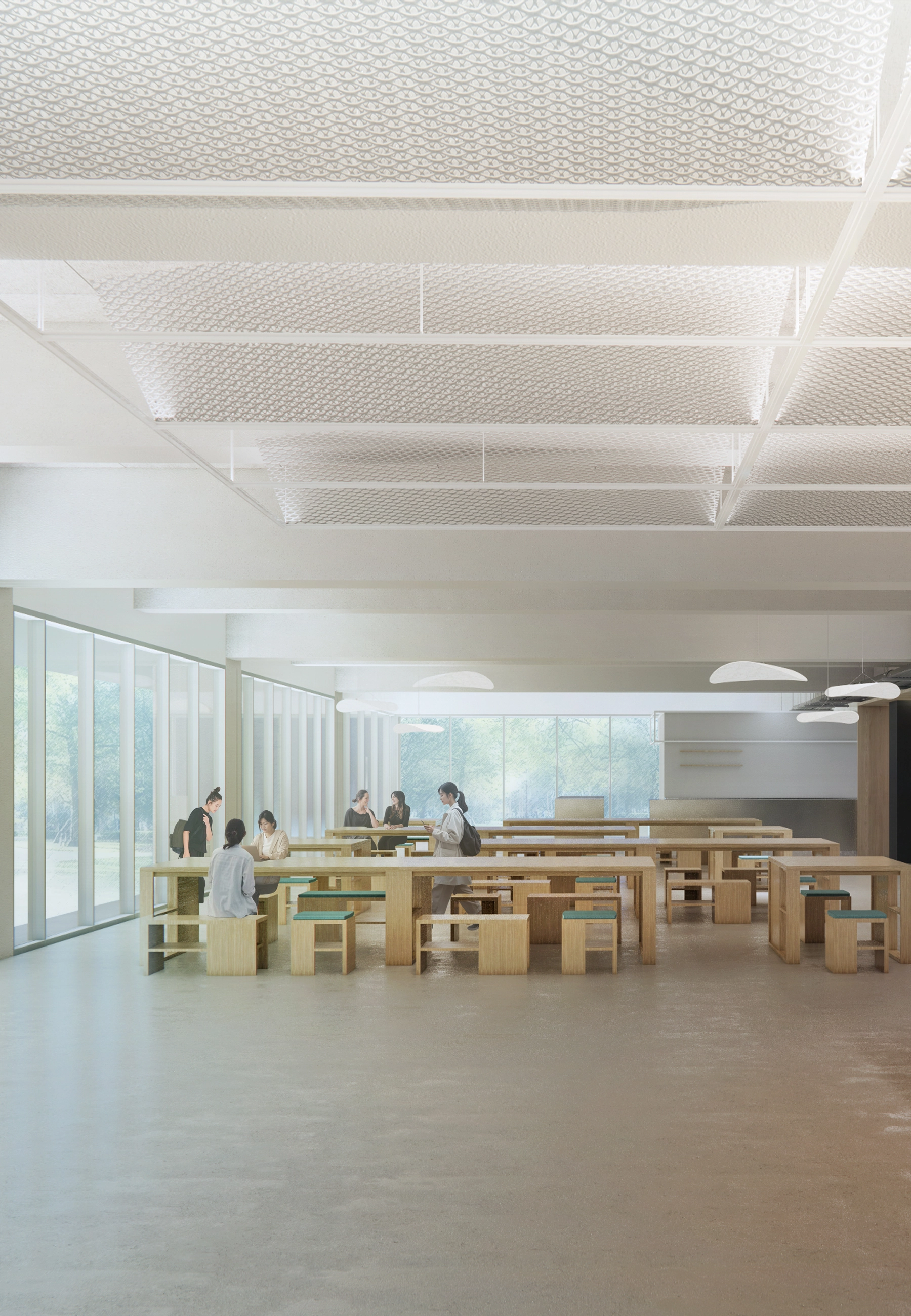
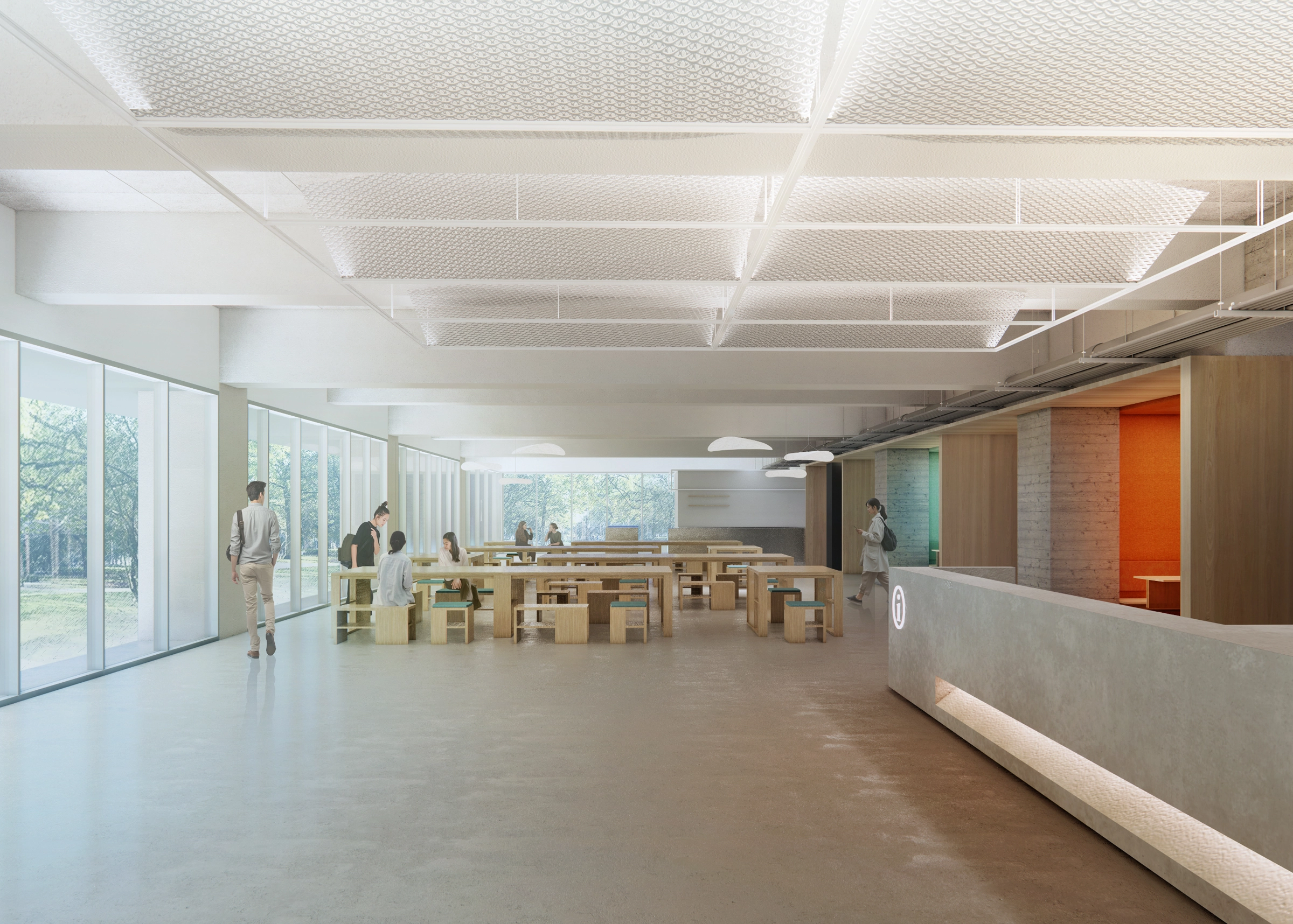
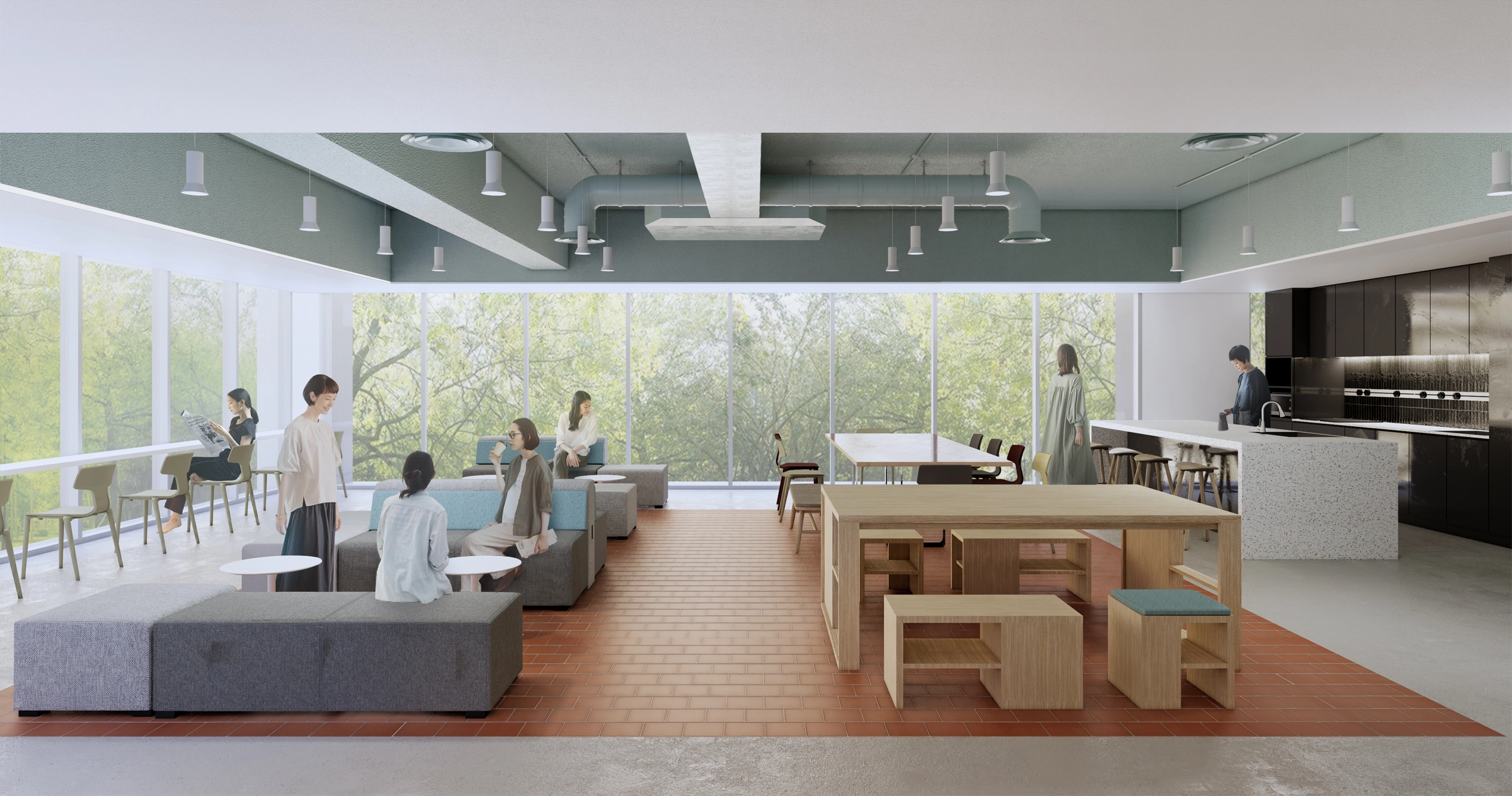
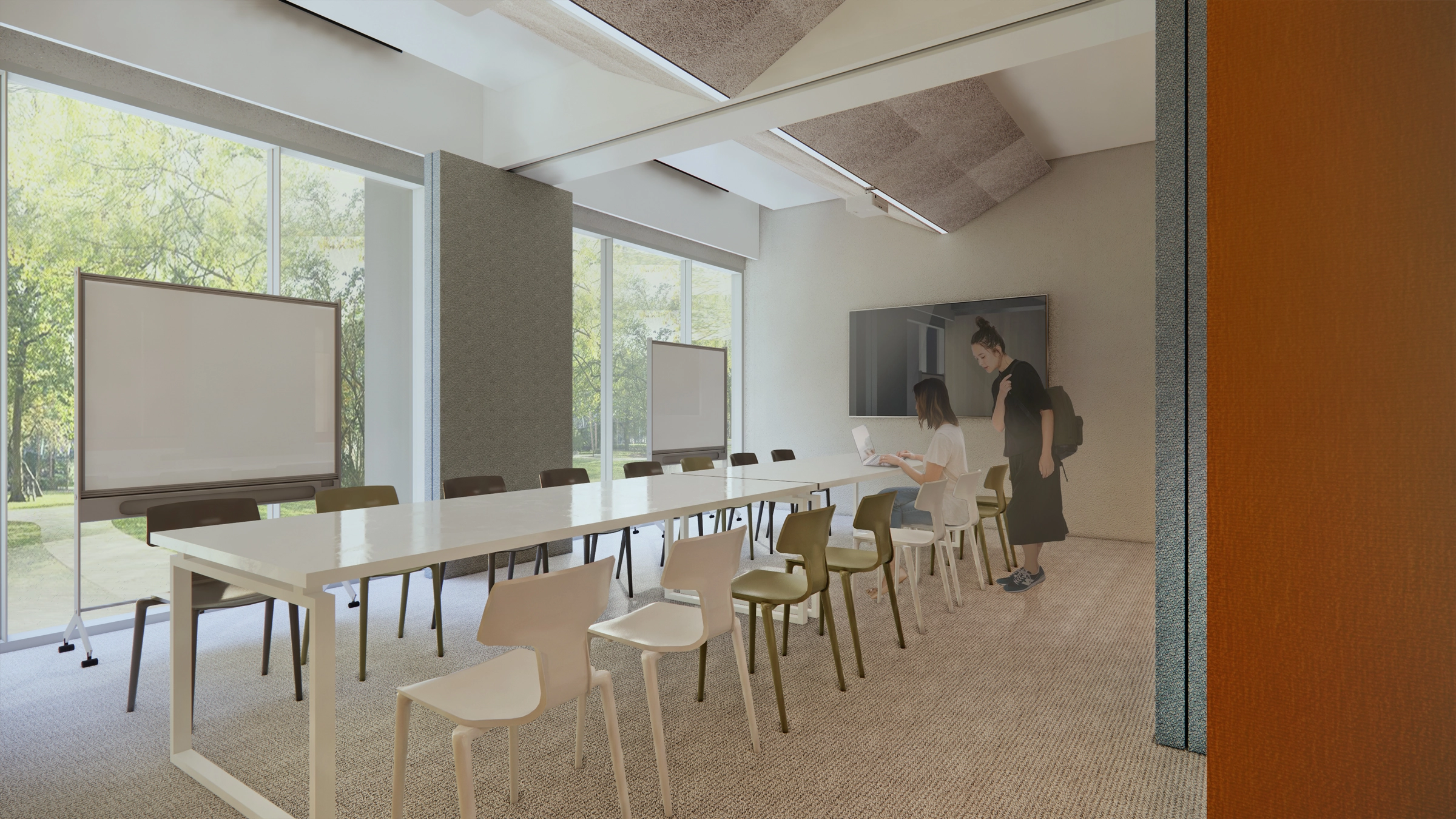
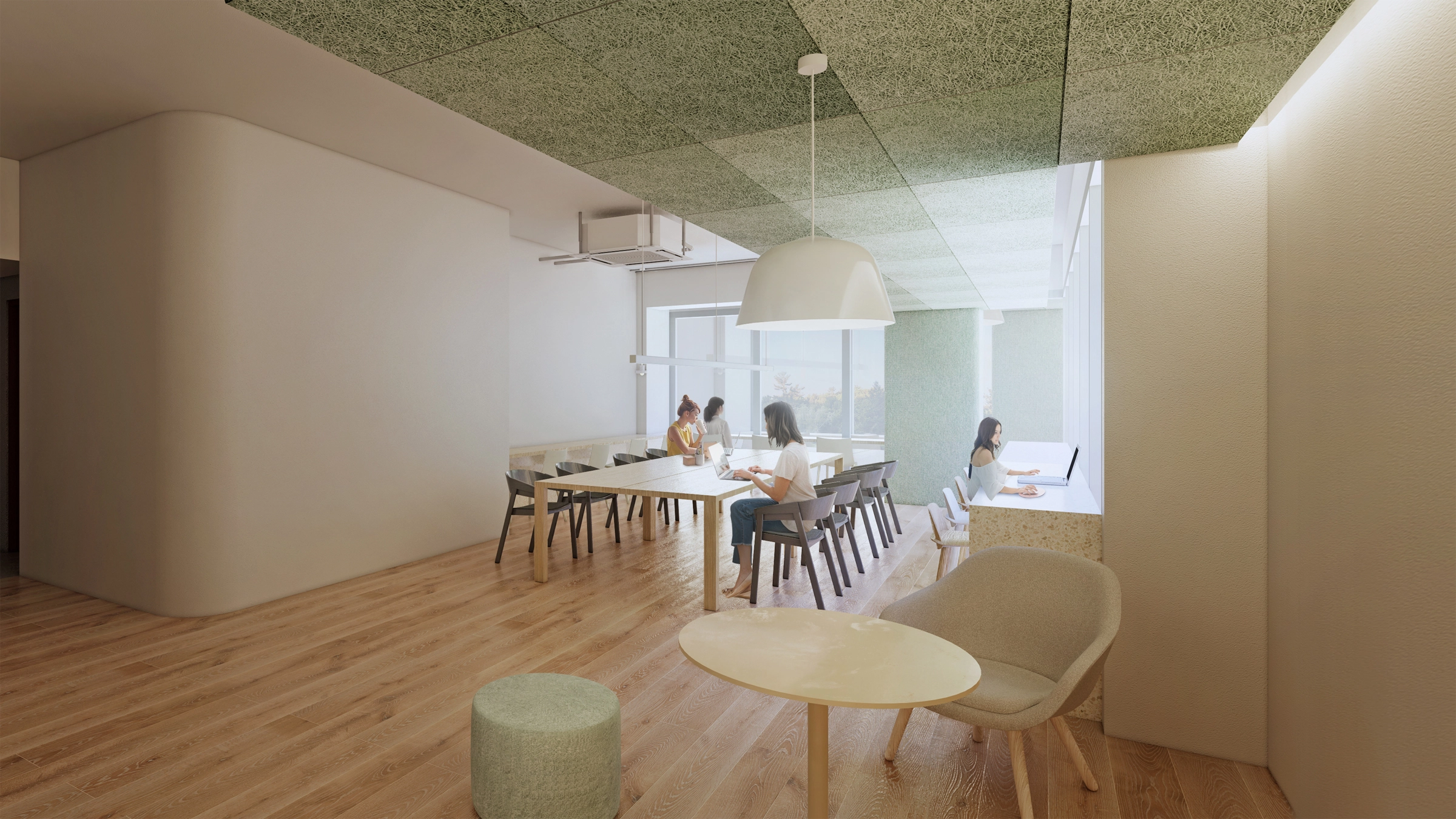
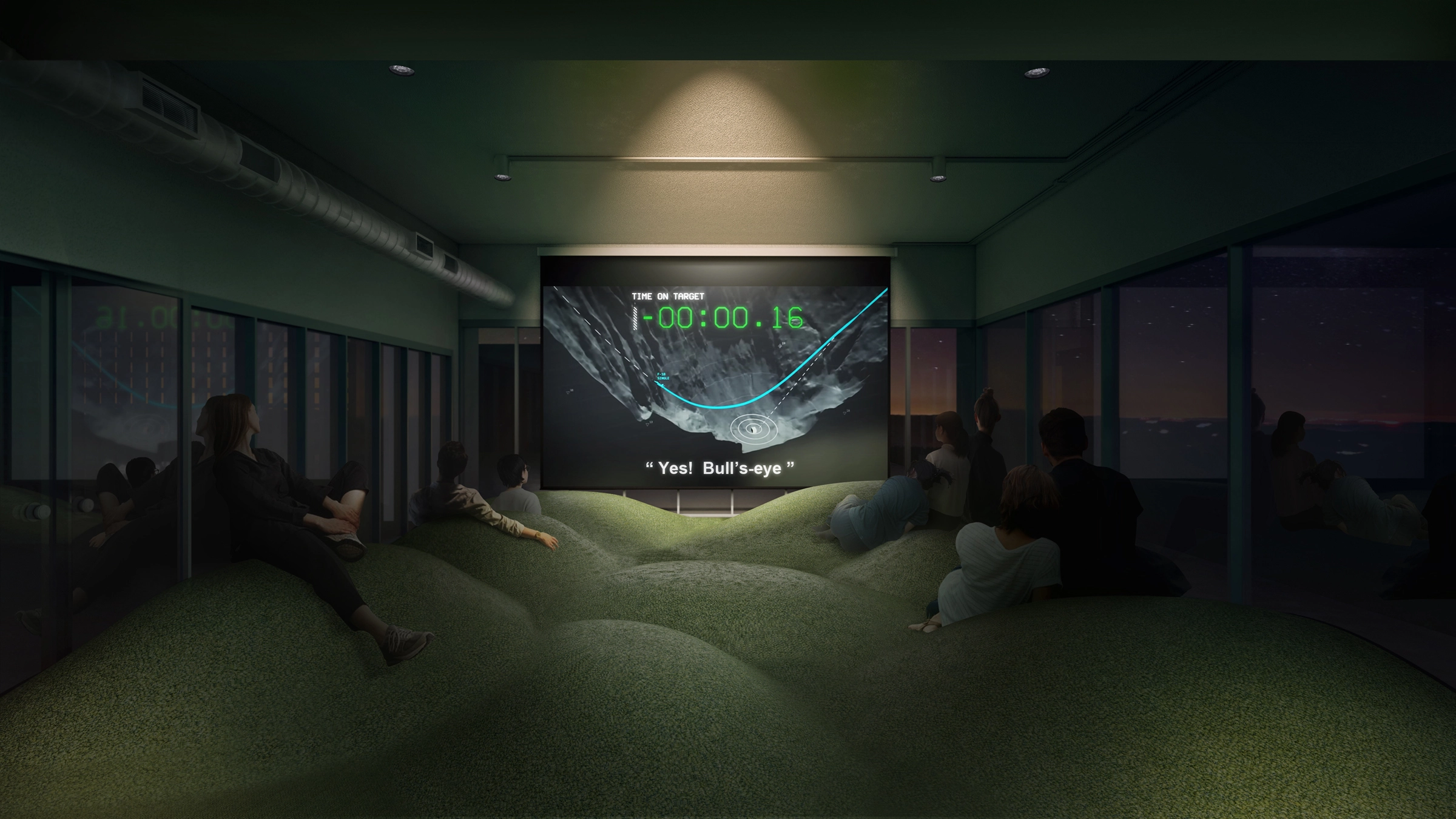
Dormitories are more than just temporary shelters—they are platforms for shared living and a transition into society. With a focus on modern urban co-living, the new dormitory design supports both the practical needs of students and the cultivation of autonomy and social connection. It offers spaces for active and quiet interaction, encouraging collaboration, sharing, and openness as part of a holistic learning experience grounded in a student-first philosophy.
Historically, student dorms resembled military barracks—functional but lacking attention to aesthetics and the diversity of student life. Today, the university dormitory is reimagined as a space that nurtures personal growth and shapes human connection. By breaking down physical and social boundaries between grades and departments, and by opening dormitory spaces to informal learning and daily life, this project aims to extend the classroom into the dorm. In doing so, it fosters spontaneous encounters among students and even with the local community. Ultimately, this redefinition of public and private realms within the student housing experience aims to cultivate a deeper sense of belonging.